
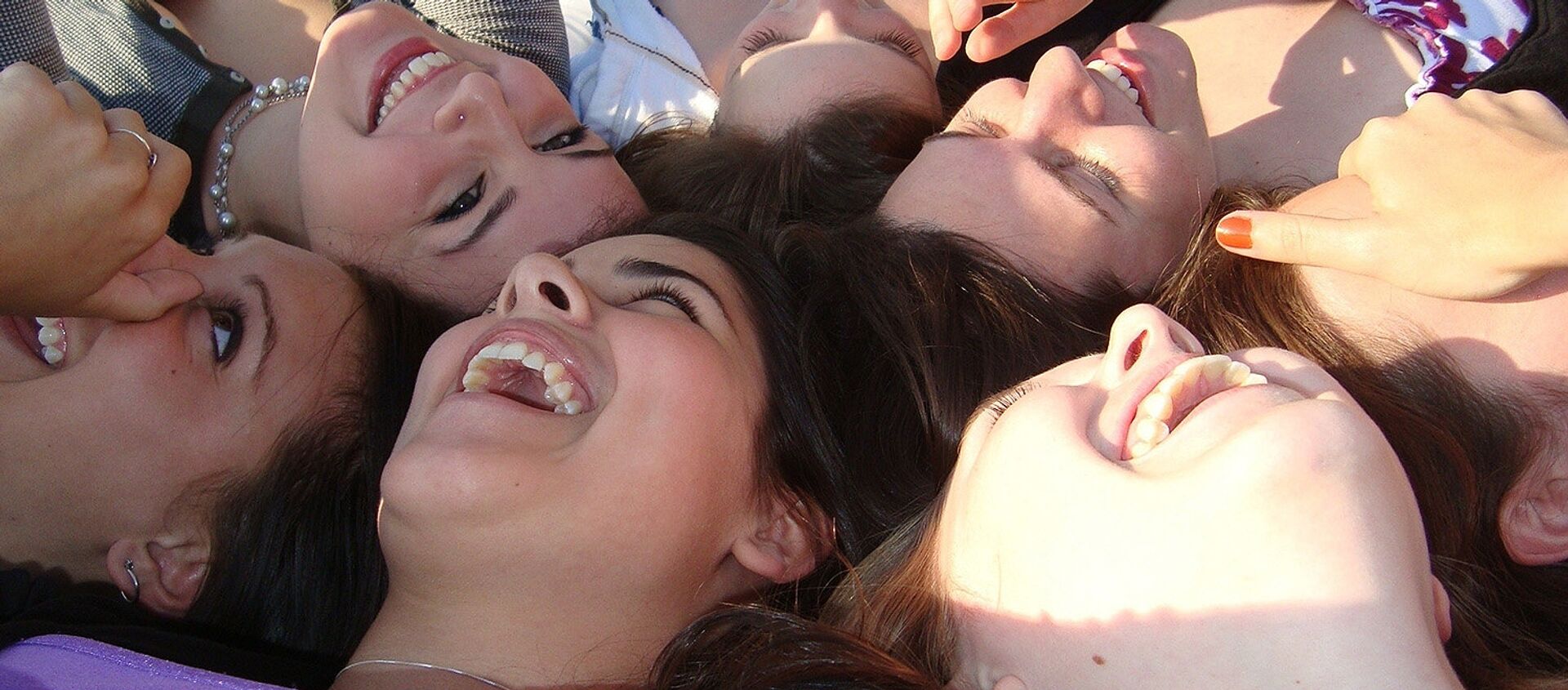
 В День смеха принято подшучивать друг над другом по-доброму (Фото: denya7, по лицензии Shutterstock.com)
День дурака (April Fools’ Day или All Fool’s Day) или День смеха — это международный праздник, отмечаемый во всем мире 1 апреля. В этот день принято разыгрывать родных, друзей и просто знакомых, или подшучивать над ними.
Откуда именно родом этот праздник — из Франции, Англии, Мексики или Швеции — тайна, которая, к сожалению, покрыта мраком. Одну из влиятельных версий о возникновении праздника смеха связывают с тем, что изначально 1 апреля праздновалось во многих странах как день весеннего равноденствия и время Пасхи. Празднества по случаю весеннего нового года всегда сопровождались шутками, шалостями и веселыми проделками. Традиция праздника живет и теперь: причиной стала сама природа, потому что весенние капризы погоды люди старались задобрить шутками и розыгрышами.
Другая, также распространенная, версия возникновения Дня смеха связана с переходом на Григорианский календарь, введенный Папой Римским Григорием в 1582 году. Дело в том, что Новый год в средние века отмечался не 1 января, а в конце марта, до того, как в 1563—1564 годах король Карл Девятый (King Charles IX) реформировал во Франции календарь. Поэтому Новогодняя неделя начиналась 25 марта и заканчивалась 1 апреля.
В те далекие времена также было принято веселиться в новогодние праздники. Но, несмотря на изменения в календаре, некоторые консервативно настроенные (а, возможно, просто неосведомленные) люди продолжали праздновать новогоднюю неделю по старому стилю. Другие смеялись и подшучивали над ними, преподносили «дурацкие» подарки и называли апрельскими дураками (April’s Fools). Так и возник так называемый «День смеха».
В 18 веке этот веселый праздник стал широко известен и популярен. Англичане, шотландцы и французы распространили его в своих американских колониях. В День смеха принято было подшучивать друг над другом, а также давать друг другу бессмысленные поручения, например, найти и принести сладкий уксус.
Первоапрельские шутки на редкость разнообразны и охватывают широкие слои как тех, кто шутит, так и тех, над кем шутят. Самые известные первоапрельские розыгрыши уже классифицированы в список 100 первоапрельских шуток всех времен (The Top 100 April Fool’s Day Hoaxes of All Time), среди которых: падение Пизанской башни, фоторепортаж о летающих пингвинах, приземление НЛО в Лондоне, переход на десятичную систему измерения времени, изменение числа Пи с 3.14 на 3.0 и другие.
Название Дня смеха говорит само за себя. Первого апреля принято разыгрывать друзей и близких, беззлобно подшучивать над окружающими, рассказывать анекдоты. В школах, колледжах, университетах и на работе мы уже не представляем этого дня без подвохов. Кстати, интересный факт о Дне смеха и нашей родине. Оказывается, в Древней Руси тоже был свой праздник «дурачков», когда наши предки целый день дурачились и веселились.
«Древние свидетельства говорят о «бесовских скаканиях», плясках под музыку, очевидно, сопровождавшихся пьянством, о карнавальном переодевании, причём не только в звериные шкуры и вывернутые шубы с «личинами»-масками, но и мужчин в женскую одежду, а женщин — в мужскую, так называемая травестия… Основным принципом построения «смеховых» обрядов и произведений было выворачивание наизнанку обычной системы знаков… Одетости противопоставляется нагота (лохмотья), богатству — бедность, церкви — кабак, а церковным одеяниям — рогожная «гунька кабацкая» (одеяние, выдававшееся полностью пропившимся)», — писал культуролог Алексей Юдин в книге «Русская народная духовная культура».

Фото © Pexels
История праздника
Когда 1 апреля стало Днём смеха?
Когда же 1 апреля решили сделать Днём дурака? Судя по архивам, этим вопросом люди задавались ещё три столетия назад, в XVIII веке. Так, в 1708 году в издание с чудесным названием «Британский Аполлон, или Любопытные развлечения для изобретательных» поступило письмо с вопросом: «Откуда взялся обычай устраивать первоапрельские шутки?» К сожалению, однозначно ответить на него не представляется возможным. По одной из теорий, День смеха просто пришёлся на конец зимы — начало весны. Это время обновления и возрождения было отмечено весельем, причём праздненства мало чем отличались от традиции римлян, которые в конце марта праздновали хиларии — с шутками и переодеваниями.
В какой стране зародилась традиция праздновать День смеха?

Фото © Pexels
До сих пор идут споры насчёт того, где же впервые начали праздновать День дурака. Наиболее правдивая и распространённая версия — во Франции в XVI веке. Тогда Новый год отмечали весной, причём дата варьировалась в зависимости от региона. Вот на период с 25 марта по 1 апреля он и выпадал. В 1564 году король Карл IX предписал перенести наступление Нового года на 1 января, причём общенационально. Но когда же 1 апреля стало Днём смеха, если Новый год перенесли на зиму? Перенесли — да, но дарить друг другу подарки весной французы не перестали. В память о весеннем «Новом годе» люди 1 апреля обменивались смешными и нелепыми сувенирами. Отсюда и могла начаться история праздника День смеха.
Почему 1 апреля называется Днём дурака?
Почему же День смеха называют ещё и Днём дурака? А всё просто! Во времена, когда люди переходили на григорианский календарь с юлианского и начинали жить по-новому, не все сразу привыкли к тому, что Новый год теперь — праздник зимний. И не все сразу запомнили, что отмечают его 1 января, а не 1 апреля.
Долгое время ещё рассеянные люди поздравляли близких по старой дате, в апреле. Их мягко называли дурачками — poisson d’avril, что переводится как «апрельская рыба», то есть молодая, та, которую легко поймать. Традиция забавляться с шутками и приколами именно 1 апреля людям понравилась, поэтому День дурака решили оставить, и постепенно он распространился по всей Европе, а затем и по миру.
Когда в России начали отмечать 1 апреля?
Как мы уже написали, День дурака зародился в Европе после Средневековья, и в Россию традицию отмечать 1 апреля завезли приглашённые иностранцы. Историки отмечают, что в России День смеха начали праздновать во времена правления Петра I, который часто в юности проводил время в Немецкой слободе — районе Москвы, где жили европейцы. Именно стараниями императора День смеха прижился в России.
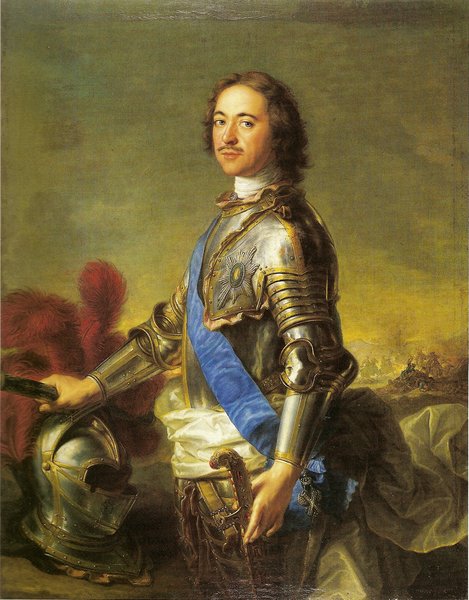
Пётр I. Фото © Wikipedia
Как проводят День смеха в разных странах?
Сейчас вряд ли найдётся в мире образованный человек, не знающий про April Fools’ Day — День дурака. В Англии, например, одна из первоапрельских традиций — подшучивать над знакомыми лишь в первой половине дня, то есть до полудня. Англичане верят: устроишь розыгрыш позже — можешь потерять удачу. А в Шотландии 1 апреля назвали Днём кукушки, и отмечают его не одни сутки, а двое. Есть и другое название — День тыла, потому как местные жители 1 апреля пытаются прикрепить на спины окружающих записку с фразами по типу «Пни меня». Поэтому люди особенно берегут свои «тылы», то есть спины, в День дурака. В Португалии есть традиция в День смеха обсыпать друг друга мукой, а немцы вообще считают День смеха невезучим праздником.
Первого апреля никому не верю. Как праздновать и пережить?
Собираясь в этот день на работу или просто выходя по делам, помните, что все захотят вас как-то разыграть или обмануть. Самое главное правило Дня смеха — всегда будьте начеку. Вы же не хотите прослыть первоапрельским дурачком? Кстати, как вариант, 1 апреля можете первым разыграть любимого человека или коллег. А потом с наслаждением смотреть на их недоумевающие лица.
Как разыграть коллег в День дурака?

Фото © Pexels
О, нет ничего слаще, чем чувство, когда вы знаете, что происходит, а другие — нет. В больших компаниях в День смеха часто разыгрывают сотрудников. Так что, если вам вдруг на корпоративную почту пришлют странное письмо — например, что теперь все обязаны приходить в офис только в вещах оранжевого цвета, задумайтесь. Можете и сами инициировать шутки и приколоться над сослуживцами — пройдитесь по кабинетам 1 апреля и угостите всех… сухим кормом для животных. Только предварительно переложите его в красивую баночку или коробочку, чтобы коллеги не заметили подвоха раньше времени.
Как в День смеха приколоться над любимым человеком?
Если 1 апреля на работу вам не надо или коллектив не поймёт шуток, а очень хочется кого-то разыграть, смело используйте своих домашних. Самый простой и безопасный розыгрыш — с машиной. Если она стоит у вас не в гараже, можно проснуться рано утром и перепарковать автомобиль, а после наблюдать за реакцией мужа, который будет уверять, что оставил машину именно под окнами.
Ещё классическим розыгрышем в День смеха может стать шутка с тестом на беременность. Красным маркером просто дорисуйте вторую полоску, а потом с загадочным лицом подойдите к любимому и «обрадуйте» его, показывая трофей. Только будьте осторожны — шутка должна оставаться под контролем до конца.

Фото © Pexels
А вы отмечаете День смеха?
Обожаю этот праздник!
Мне не нужно искать повода, чтобы подшутить над кем-то 
Не особо…
-
7 пустяковых лайфхаков, которые в разы улучшат вашу сексуальную жизнь
31 марта 2022, 15:00
-
7 фото звёзд из отделений полиции, доказывающих, что молодёжь восхищается преступниками
31 марта 2022, 14:25
-
Как шутить 1 апреля, чтобы и посмеяться, и за решёткой не оказаться
31 марта 2022, 13:42
https://sputnik-georgia.ru/20210331/Pochemu-1-aprelya-nazyvayut-Dnem-duraka-Istoriya-prazdnika-251340450.html
Почему 1 апреля называют Днем дурака? История праздника
Почему 1 апреля называют Днем дурака? История праздника
Версий, гипотез и легенд много, но в письменных источниках праздник под названием Fools Holiday (Праздник дураков) впервые фигурирует в 1686 году 31.03.2021, Sputnik Грузия
2021-03-31T23:56+0400
2021-03-31T23:56+0400
2021-08-30T11:56+0400
справки
в мире
общество
/html/head/meta[@name=’og:title’]/@content
/html/head/meta[@name=’og:description’]/@content
https://cdnn1.img.sputnik-georgia.com/img/23543/85/235438521_0:154:3076:1893_1920x0_80_0_0_798d9761de0892caa449509bd77d7f2a.jpg
День смеха или День дурака – самый веселый праздник, который ежегодно отмечают во многих странах мира 1 апреля.Праздник называют днём дураков – April Fools’ Day – поскольку во многих странах мира 1 апреля существует обычай веселиться, шутить, разыгрывать и обманывать друг друга.Первоапрельские приколы и шутки дарят всем массу ярких, незабываемых впечатлений, но шутки должны быть добродушными и безвредными, чтобы вызвать только положительные эмоции.Sputnik Грузия рассказывает историю самого веселого праздника в году и почему 1 апреля называют Днем дурака.Почему 1 апреля называют Днем дурака?Когда и как появился День дурака исследователи разных стран спорят по сей день, оспаривая первенство. По одной из версий, история праздника восходит к античным временам и является прототипом фестиваля, посвященного богине земли Деметре. В основе фестиваля, который проходил в начале апреля и сопровождался играми и шутками, лежала легенда о похищении Аидом – богом подземного царства Прозерпины – дочки богини Деметры. Поиски Прозерпины ни к чему не привели, ибо ее крики были лишь обманным эхом.Некоторые источники утверждают, что День смеха отмечали в Древнем Риме и называли Праздником глупцов. Другие – что праздник отмечали в Индии с массовыми гуляниями и веселыми проделками.Ирландцы убеждают, что традиция отмечать 1 апреля зародилось на их земле – это подтверждается и ирландскими сагами, в которых сказано, что обычай обманывать именно в этот день установили боги в память дочери Тиасса — Скадеи.Возникновение праздника одна из легенд приписывает неаполитанскому королю Монтерею, которому преподнесли в дар рыбу 1 апреля по случаю прекращения землетрясения. Через год царь потребовал, чтобы ему приготовили точно такую же рыбу. Рыбу найти не смогли, поэтому королевский повар приготовил другую, очень похожую. Царя, догадавшегося о подмене, хитрость кулинара очень развеселила. И, возможно, с тех пор и появилась традиция кого-то обязательно разыгрывать 1 апреля.Связывают появление праздника и с нововведением французского короля Карла IX, перенесшего после принятия григорианского календаря в 1582-м дату празднования Нового года на 1 января с конца марта. Новый год, до перехода на новый стиль, праздновали с 25 марта по 1 апреля включительно.Традиционалисты продолжали отмечать начало года по старому стилю. А те, кто перешел на новый стиль празднования, называл консерваторов «апрельскими дураками» или «первоапрельскими рыбами» и дарили им в этот день шуточные презенты. По сей день французские кондитеры выставляют 1 апреля огромных шоколадных рыб, а детвора пытается прикрепить бумажных рыбок к спинам товарищей.Версий, гипотез и легенд много, но в письменных источниках праздник под названием Fools Holiday (Праздник дураков) впервые фигурирует в 1686-м.Материал подготовлен на основе открытых источников
https://sputnik-georgia.ru/20210330/Luchshie-shutki-i-prikoly-na-1-aprelya-2021-Top-10-rozygryshey-251322389.html
https://sputnik-georgia.ru/20210329/Peskov-rasskazal-kak-shutit-Putina-251313205.html
Sputnik Грузия
media@sputniknews.com
+74956456601
MIA „Rosiya Segodnya“
2021
Sputnik Грузия
media@sputniknews.com
+74956456601
MIA „Rosiya Segodnya“
Новости
ru_GE
Sputnik Грузия
media@sputniknews.com
+74956456601
MIA „Rosiya Segodnya“
https://cdnn1.img.sputnik-georgia.com/img/23543/85/235438521_0:57:3076:1990_1920x0_80_0_0_a6ed072bf12547a447e4b050a73ee87a.jpg
Sputnik Грузия
media@sputniknews.com
+74956456601
MIA „Rosiya Segodnya“
справки , в мире, общество
справки , в мире, общество
23:56 31.03.2021 (обновлено: 11:56 30.08.2021)
Подписаться на


Версий, гипотез и легенд много, но в письменных источниках праздник под названием Fools Holiday (Праздник дураков) впервые фигурирует в 1686 году
День смеха или День дурака – самый веселый праздник, который ежегодно отмечают во многих странах мира 1 апреля.
Праздник называют днём дураков – April Fools’ Day – поскольку во многих странах мира 1 апреля существует обычай веселиться, шутить, разыгрывать и обманывать друг друга.
Первоапрельские приколы и шутки дарят всем массу ярких, незабываемых впечатлений, но шутки должны быть добродушными и безвредными, чтобы вызвать только положительные эмоции.
Sputnik Грузия рассказывает историю самого веселого праздника в году и почему 1 апреля называют Днем дурака.
Почему 1 апреля называют Днем дурака?
Когда и как появился День дурака исследователи разных стран спорят по сей день, оспаривая первенство. По одной из версий, история праздника восходит к античным временам и является прототипом фестиваля, посвященного богине земли Деметре. В основе фестиваля, который проходил в начале апреля и сопровождался играми и шутками, лежала легенда о похищении Аидом – богом подземного царства Прозерпины – дочки богини Деметры. Поиски Прозерпины ни к чему не привели, ибо ее крики были лишь обманным эхом.
Некоторые источники утверждают, что День смеха отмечали в Древнем Риме и называли Праздником глупцов. Другие – что праздник отмечали в Индии с массовыми гуляниями и веселыми проделками.
Ирландцы убеждают, что традиция отмечать 1 апреля зародилось на их земле – это подтверждается и ирландскими сагами, в которых сказано, что обычай обманывать именно в этот день установили боги в память дочери Тиасса — Скадеи.
Возникновение праздника одна из легенд приписывает неаполитанскому королю Монтерею, которому преподнесли в дар рыбу 1 апреля по случаю прекращения землетрясения. Через год царь потребовал, чтобы ему приготовили точно такую же рыбу. Рыбу найти не смогли, поэтому королевский повар приготовил другую, очень похожую. Царя, догадавшегося о подмене, хитрость кулинара очень развеселила. И, возможно, с тех пор и появилась традиция кого-то обязательно разыгрывать 1 апреля.
Связывают появление праздника и с нововведением французского короля Карла IX, перенесшего после принятия григорианского календаря в 1582-м дату празднования Нового года на 1 января с конца марта. Новый год, до перехода на новый стиль, праздновали с 25 марта по 1 апреля включительно.
Традиционалисты продолжали отмечать начало года по старому стилю. А те, кто перешел на новый стиль празднования, называл консерваторов «апрельскими дураками» или «первоапрельскими рыбами» и дарили им в этот день шуточные презенты. По сей день французские кондитеры выставляют 1 апреля огромных шоколадных рыб, а детвора пытается прикрепить бумажных рыбок к спинам товарищей.
Версий, гипотез и легенд много, но в письменных источниках праздник под названием Fools Holiday (Праздник дураков) впервые фигурирует в 1686-м.
Материал подготовлен на основе открытых источников
| April Fools’ Day | |
|---|---|

An April Fools’ Day prank marking the construction of the Copenhagen Metro in 2001 |
|
| Also called | April Fool’s Day |
| Type | Cultural, Western |
| Significance | Practical jokes, pranks |
| Observances | Comedy |
| Date | 1 April |
| Next time | 1 April 2023 |
| Frequency | Annual |
April Fools’ Day or All Fools’ Day is an annual custom on 1 April consisting of practical jokes and hoaxes. Jokesters often expose their actions by shouting «April Fools!» at the recipient. Mass media can be involved in these pranks, which may be revealed as such the following day. The custom of setting aside a day for playing harmless pranks upon one’s neighbour has been relatively common in the world historically.[1]
Origins[edit]

An 1857 ticket to «Washing the Lions» at the Tower of London in London. No such event ever took place.
Although the origins of April Fools’ is unknown, there are many theories surrounding it.
A disputed association between 1 April and foolishness is in Geoffrey Chaucer’s The Canterbury Tales (1392).[2] In the «Nun’s Priest’s Tale», a vain cock Chauntecleer is tricked by a fox on «Since March began thirty days and two,»[3][4] i.e. 32 days since March began, which is 1 April.[5] However, it is not clear that Chaucer was referencing 1 April since the text of the «Nun’s Priest’s Tale» also states that the story takes place on the day when the sun is «in the sign of Taurus had y-rune Twenty degrees and one,» which would not be 1 April. Modern scholars believe that there is a copying error in the extant manuscripts and that Chaucer actually wrote, «Syn March was gon«.[6] If so, the passage would have originally meant 32 days after March, i.e. 2 May,[7] the anniversary of the engagement of King Richard II of England to Anne of Bohemia, which took place in 1381.
In 1508, French poet Eloy d’Amerval referred to a poisson d’avril (April fool, literally «April’s fish»), possibly the first reference to the celebration in France.[8] Some historians suggest that April Fools’ originated because, in the Middle Ages, New Year’s Day was celebrated on 25 March in most European towns,[9] with a holiday that in some areas of France, specifically, ended on 1 April,[10][11] and those who celebrated New Year’s Eve on 1 January made fun of those who celebrated on other dates by the invention of April Fools’ Day.[12] The use of 1 January as New Year’s Day became common in France only in the mid-16th century,[7] and that date was not adopted officially until 1564, by the Edict of Roussillon, as called for during the Council of Trent in 1563.[13] However, there are issues with this theory because there is an unambiguous reference to April Fools’ Day in a 1561 poem by Flemish poet Eduard de Dene of a nobleman who sends his servants on foolish errands on 1 April, predating the change.[7] April Fools’ Day was also an established tradition in Great Britain before 1 January was established as the start of the calendar year.[14][15]
In the Netherlands, the origin of April Fools’ Day is often attributed to the Dutch victory in 1572 in the Capture of Brielle, where the Spanish Duke Álvarez de Toledo was defeated. «Op 1 april verloor Alva zijn bril» is a Dutch proverb, which can be translated as: «On the first of April, Alva lost his glasses». In this case, «bril» («glasses» in Dutch) serves as a homonym for Brielle (the town where it happened). This theory, however, provides no explanation for the international celebration of April Fools’ Day.
In 1686, John Aubrey referred to the celebration as «Fooles holy day», the first British reference.[7] On 1 April 1698, several people were tricked into going to the Tower of London to «see the Lions washed».[7]
Although no biblical scholar or historian is known to have mentioned a relationship, some have expressed the belief that the origins of April Fools’ Day may go back to the Genesis flood narrative. In a 1908 edition of the Harper’s Weekly cartoonist Bertha R. McDonald wrote:
Authorities gravely back with it to the time of Noah and the ark. The London Public Advertiser of March 13, 1769, printed: «The mistake of Noah sending the dove out of the ark before the water had abated, on the first day of April, and to perpetuate the memory of this deliverance it was thought proper, whoever forgot so remarkable a circumstance, to punish them by sending them upon some sleeveless errand similar to that ineffectual message upon which the bird was sent by the patriarch».[1]
Long-standing customs[edit]
United Kingdom[edit]

On April Fools’ Day 1980, the BBC announced Big Ben’s clock face was going digital and whoever got in touch first could win the clock hands.[5]
In the UK, an April Fool prank is sometimes later revealed by shouting «April fool!» at the recipient, who becomes the «April fool». A study in the 1950s, by folklorists Iona and Peter Opie, found that in the UK, and in countries whose traditions derived from the UK, this continues to be the practice, with the custom ceasing at noon, after which time it is no longer acceptable to play pranks.[16] Thus a person playing a prank after midday is considered the «April fool» themselves.[17]
In Scotland, April Fools’ Day was originally called «Huntigowk Day«.[18] The name is a corruption of «hunt the gowk«, gowk being Scots for a cuckoo or a foolish person; alternative terms in Gaelic would be Là na Gocaireachd, «gowking day», or Là Ruith na Cuthaige, «the day of running the cuckoo». The traditional prank is to ask someone to deliver a sealed message that supposedly requests help of some sort. In fact, the message reads «Dinna laugh, dinna smile. Hunt the gowk another mile.» The recipient, upon reading it, will explain they can only help if they first contact another person, and they send the victim to this next person with an identical message, with the same result.[18]
In England a «fool» is known by a few different names around the country, including «noodle», «gob», «gobby», or «noddy».
Ireland[edit]
In Ireland, it was traditional to entrust the victim with an «important letter» to be given to a named person. That person would read the letter, then ask the victim to take it to someone else, and so on. The letter when opened contained the words «send the fool further».[19]
Italy, France, Belgium, French-speaking areas[edit]
In Italy, France, Belgium and French-speaking areas of Switzerland and Canada, the 1 April tradition is often known as «April fish» (poisson d’avril in French, april vis in Dutch or pesce d’aprile in Italian). Possible pranks include attempting to attach a paper fish to the victim’s back without being noticed. This fish feature is prominently present on many late 19th- to early 20th-century French April Fools’ Day postcards. Many newspapers also spread a false story on April Fish Day, and a subtle reference to a fish is sometimes given as a clue to the fact that it is an April Fools’ prank.[citation needed]
Germany[edit]
In Germany, an April Fool prank is sometimes later revealed by shouting «April, April!» at the recipient, who becomes the «April fool».[citation needed]
Nordic countries[edit]
Danes, Finns, Icelanders, Norwegians and Swedes celebrate April Fools’ Day (aprilsnar in Danish; aprillipäivä in Finnish; aprilsnarr in Norwegian; aprilskämt in Swedish). Most news media outlets will publish exactly one false story on 1 April; for newspapers this will typically be a first-page article but not the top headline.[20]
Poland (Prima aprilis)[edit]
In Poland, prima aprilis («First April» in Latin) as a day of pranks is a centuries-long tradition. It is a day when many pranks are played: hoaxes – sometimes very sophisticated – are prepared by people, media (which often cooperate to make the «information» more credible) and even public institutions. Serious activities are usually avoided, and generally every word said on 1 April could be untrue. The conviction for this is so strong that the Polish anti-Turkish alliance with Leopold I signed on 1 April 1683, was backdated to 31 March.[21] However, for some in Poland prima aprilis ends at noon of 1 April and prima aprilis jokes after that hour are considered inappropriate and not classy.
Ukraine[edit]
April Fools’ Day is widely celebrated in Odessa and has the special local name Humorina — in Ukrainian Гуморина (Humorina). This holiday arose in 1973.[22] An April Fool prank is revealed by saying «Первое Апреля, никому не верю» («Pervoye Aprelya, nikomu ne veryu«) — which means «First of April, I trust nobody» — to the recipient. The festival includes a large parade in the city centre, free concerts, street fairs and performances. Festival participants dress up in a variety of costumes and walk around the city fooling around and pranking passersby. One of the traditions on April Fools’ Day is to dress up the main city monument in funny clothes. Humorina even has its own logo — a cheerful sailor in a lifebelt — whose author was the artist Arkady Tsykun.[23] During the festival, special souvenirs bearing the logo are printed and sold everywhere. Since 2010, April Fools’ Day celebrations include an International Clown Festival and both celebrated as one. In 2019, the festival was dedicated to the 100th anniversary of the Odessa Film Studio and all events were held with an emphasis on cinema.[24]
Spanish-speaking countries[edit]
In many Spanish-speaking countries (and the Philippines), «Día de los Santos Inocentes» (Holy Innocents Day) is a festivity which is very similar to April Fools’ Day, but it is celebrated in late December (27, 28 or 29 depending on the location).[citation needed]
Turkey[edit]
Turkey also has a custom of April Fools’ pranks.[25] Pranks and jokes are usually verbal and are revealed by shouting «Bir Nisan!» (April 1st!).
Iran[edit]
In Iran, it is called «Dorugh-e Sizdah» (lie of Thirteen) and people and media prank on 13 Farvardin (Sizdah bedar) that is equivalent of 1 April. It is a tradition that takes place 13 days after the Persian new year Nowruz. On this day, people go out and leave their houses and have fun outside mostly in natural parks.
Pranks have reportedly been played on this holiday since 536 BC in the Achaemenid Empire.
Israel[edit]
Israel has adopted the custom of pranking on April Fools’ Day.[26]
Lebanon[edit]
In Lebanon, an April Fool prank is revealed by saying كذبة أول نيسان (which means «First of April Lie») to the recipient.
Pranks[edit]

An April Fools’ Day prank in Boston’s Public Garden warning people not to photograph sculptures, as light emitted will «erode the sculptures»
A common prank is to carefully remove the cream from an Oreo and replace it with toothpaste, and there are many similar pranks that replace an object (usually food) with another object that looks like the object but tastes different such as replacing sugar with salt and vanilla frosting with sour cream. As well as people playing pranks on one another on April Fools’ Day, elaborate pranks have appeared on radio and television stations, newspapers, and websites, and have been performed by large corporations. In one famous prank in 1957, the BBC broadcast a film in their Panorama current affairs series purporting to show Swiss farmers picking freshly-grown spaghetti, in what they called the Swiss spaghetti harvest. The BBC was soon flooded with requests to purchase a spaghetti plant, forcing them to declare the film a hoax on the news the next day.[27]
With the advent of the Internet and readily available global news services, April Fools’ pranks can catch and embarrass a wider audience than ever before.[28]
Comparable prank days[edit]
28 December[edit]
28 December, the equivalent day in Spain and Hispanic America, is also the Christian day of celebration of the Day of the Holy Innocents. The Christian celebration is a religious holiday in its own right, but the tradition of pranks is not, though the latter is observed yearly. In some regions of Hispanic America after a prank is played, the cry is made, «Inocente palomita que te dejaste engañar» («You innocent little dove that let yourself be fooled!»; not to be confused with another meaning of palomita, which means «popcorn» in some dialects).[citation needed]
In Argentina, the prankster says, «¡Que la inocencia te valga!» which roughly translates as advice to not be as gullible as the victim of the prank. In Spain, it is common to say just «¡Inocente!» (which in Spanish can mean «innocent» or «gullible»).[29]
In Colombia, the term is used as «Pásala por Inocentes«, which roughly means: «Let it go; today it’s Innocent’s Day.»[citation needed]
In Belgium, this day is also known as the «Day of the Innocent Children» or «Day of the Stupid Children». It used to be a day where parents, grandparents, and teachers would fool the children in some way. But the celebration of this day has died out in favour of April Fools’ Day.[citation needed]
Nevertheless, on the Spanish island of Menorca, Dia d’enganyar («Fooling day») is celebrated on 1 April because Menorca was a British possession during part of the 18th century. In Brazil, the «Dia da mentira» («Day of the lie») is also celebrated on 1 April[29] due to the Portuguese influence.
First day of a new month[edit]
In many English-speaking countries, mainly Britain, Ireland, Australia, New Zealand and South Africa, it is a custom to say «pinch and a punch for the first of the month» or an alternative, typically by children. The victim might respond with «a flick and a kick for being so quick», and the attacker might reply with «a punch in the eye for being so sly».[30]
Another custom in Britain and North America is to say «rabbit rabbit» upon waking on the first day of a month, for good luck.[31]
Reception[edit]
The practice of April Fool pranks and hoaxes is controversial.[17][32] The mixed opinions of critics are epitomized in the reception to the 1957 BBC «spaghetti-tree hoax», in reference to which, newspapers were split over whether it was «a great joke or a terrible hoax on the public».[33]
The positive view is that April Fools’ can be good for one’s health because it encourages «jokes, hoaxes … pranks, [and] belly laughs», and brings all the benefits of laughter including stress relief and reducing strain on the heart.[34] There are many «best of» April Fools’ Day lists that are compiled in order to showcase the best examples of how the day is celebrated.[35] Various April Fools’ campaigns have been praised for their innovation, creativity, writing, and general effort.[36]
The negative view describes April Fools’ hoaxes as «creepy and manipulative», «rude» and «a little bit nasty», as well as based on Schadenfreude and deceit.[32] When genuine news or a genuine important order or warning is issued on April Fools’ Day, there is risk that it will be misinterpreted as a joke and ignored – for example, when Google, known to play elaborate April Fools’ Day hoaxes, announced the launch of Gmail with 1-gigabyte inboxes in 2004, an era when competing webmail services offered 4-megabytes or less, many dismissed it as a joke outright.[37][38] On the other hand, sometimes stories intended as jokes are taken seriously. Either way, there can be adverse effects, such as confusion,[39] misinformation, waste of resources (especially when the hoax concerns people in danger) and even legal or commercial consequences.[40][41]
In March 2020, during the COVID-19 pandemic, various organizations and people cancelled their April Fools’ Day celebrations, or advocated against observing April Fools’ Day, as a mark of respect due to the large amount of tragic deaths that COVID-19 had caused up to that point, the wish to provide truthful information to counter the misinformation about the virus, and to pre-empt any attempts to incorporate the virus into any potential pranks.[42][43] For example, Google decided not to continue «its infamous April Fools’ jokes» tradition for that year.[44] Because the pandemic was still ongoing a year later in 2021, they also decided not to do pranks that year.[45]
In Thailand, the police warned ahead of April Fools’ in 2021 that posting or sharing fake news online could lead to maximum of five years imprisonment.[46]
Other examples of genuine news on 1 April mistaken as a hoax include:
- 1 April 1946: Warnings about the Aleutian Island earthquake’s tsunami that killed 165 people in Hawaii and Alaska.[47]
- 1 April 1984: News that the singer Marvin Gaye was shot and killed the day before his 45th birthday by his father Marvin Gay Sr. (sic) on 1 April 1984. Several people close to Gaye such as fellow singers Smokey Robinson and Jermaine Jackson, brother of Michael Jackson didn’t believe the news initially and had to phone call other people who knew Gaye to confirm the news, Al Sharpton during his interview for the VH1 documentary VH1’s Most Shocking Moments in Rock & Roll referenced the coincidence of the date when he said that Gaye’s death came «like a sick, sad joke to all of us.»[48][49][50][51][52]
- 1 April 1995: News that the singer Selena was shot and killed by the former president of her fan club Yolanda Saldívar on 31 March 1995. When radio station KEDA broke the news on 31 March 1995, many people accused the staff of lying because the next day was April Fools’ Day.[53]
- 1 April 2004: Gmail is announced to the public by Google. Some of the announced features for the service were not considered technologically possible with the technology available in 2004.[54]
- 1 April 2005: News that the comedian Mitch Hedberg had died on 29 March 2005.[55]
- 1 April 2005: Announcement about Powerpuff Girls Z, by Aniplex, Cartoon Network and Toei Animation. The TV show was an anime adaption of the cartoon The Powerpuff Girls and the idea that a cartoon would get turned into an anime was considered very outlandish in 2005 as this was the first time it happened.[56]
- 1 April 2008: Announcement that the NationStates government simulation browser game had received a cease and desist letter from the United Nations (UN) for unauthorized usage of its name and emblem for the fictional intergovernmental organization where players (as nations) can create and vote on international law within the game world and that due to this, NationStates has now changed its version of the UN into the «World Assembly» (WA) with a different emblem. On 2 April 2008, NationStates developer Max Barry revealed that the letter from the UN was in fact real and he had actually received it on 21 January 2008 but chose only to start complying with it on 1 April to deliberately fool people into thinking the announcement was the annual NationStates April Fools prank and that because the legal action was real, the changes are permanent.[57][58]
- 1 April 2009: Announcement that the long running soap opera Guiding Light was being cancelled. The date was so heavily associated with jokes and pranks that even some of the cast and crew didn’t believe the news when it was announced by CBS, the TV network that aired the show.[59]
- 1 April 2011: Isaiah Thomas declared for the NBA draft. Thomas is short and basketball players in the NBA are usually taller than average as height gives advantage to playing basketball.[60]
In popular culture[edit]
Books, films, telemovies and television episodes have used April Fools’ Day as their title or inspiration. Examples include Bryce Courtenay’s novel April Fool’s Day (1993), whose title refers to the day Courtenay’s son died. The 1990s sitcom Roseanne featured an episode titled «April Fools’ Day». This turned out to be intentionally misleading, as the episode was about Tax Day in the United States on 15 April – the last day to submit the previous year’s tax information. Although Tax Day is usually 15 April as depicted in the episode, it can be moved back a few days if that day is on a weekend or a holiday in Washington, D.C. or some states, or due to natural disasters when it can occur as late as 15 July.[61]
Further reading[edit]
- Wainwright, Martin (2007). The Guardian Book of April Fool’s Day. Aurum. ISBN 978-1-84513-155-5.
- Dundes, Alan (1988). «April Fool and April Fish: Towards a Theory of Ritual Pranks». Etnofoor. 1 (1): 4–14. JSTOR 25757645.
- Similar events documented by other Wiki languages also exist such as Poisson d’avril (France) and in the USA the International day of the joke event which is assigned the first Sunday in May.[62]
See also[edit]
- Feast of Fools, a similar medieval festival
- List of April Fools’ Day jokes
- List of practical joke topics
References[edit]
- ^ a b McDonald, Bertha R. (7 March 1908). «The Oldest Custom in the World». Harper’s Weekly. Vol. 52, no. 2672. p. 26.
- ^ Ashley Ross (31 March 2016). «No Kidding: We Have No Idea How April Fools’ Day Started». Time. Retrieved 24 March 2018.
- ^ The Nun’s Priest’s Tale
- ^ The Nun’s Priest’s Tale. Chaucer in the Twenty-First Century. University of Maine at Machias. 21 September 2007.
- ^ a b «April Fool’s Day 2021: how Chaucer, calendar confusion and Hilaria led to jokes and fake news». The Telegraph. Archived from the original on 11 January 2022. Retrieved 24 September 2021.
- ^ Travis, Peter W. (1997). «Chaucer’s Chronographiae, the Confounded Reader, and Fourteenth-Century Measurements of Time». In Poster, Carol; Utz, Richard J. (eds.). Constructions of Time in the Late Middle Ages. Evanston, IL: Northwestern University Press. pp. 16–17. ISBN 0-8101-1541-7.
- ^ a b c d e Boese, Alex (2008). «The Origin of April Fool’s Day». Museum of Hoaxes.
- ^ Eloy d’Amerval (1991). Le Livre de la Deablerie. De maint homme et de mainte fame, poisson d’Apvril vien tost a moy. Librairie Droz. p. 70. ISBN 9782600026727.
- ^ Groves, Marsha (2005). Manners and Customs in the Middle Ages. p. 27.
- ^ «April Fools’ Day». Encyclopædia Britannica. Retrieved 4 April 2013.
- ^ Santino, Jack (1972). All around the year: holidays and celebrations in American life. University of Illinois Press. p. 97. ISBN 978-0-252-06516-3.
- ^ Winick, Stephen (28 March 2016). «April Fools: The Roots of an International Tradition | Folklife Today». blogs.loc.gov. Retrieved 12 March 2022.
- ^ «April Fools’ Day». History.com. 30 March 2017.
- ^ «A brief, totally sincere history of April Fools’ Day». Washington Post. ISSN 0190-8286. Retrieved 12 March 2022.
- ^ «The Origin of April Fool’s Day». Museum of Hoaxes. Retrieved 12 March 2022.
- ^ Great Britain: Home Office (2017). Life in the United Kingdom: a guide for new residents (2014 ed.). Stationery Office. ISBN 9780113413409.
- ^ a b Archie Bland (1 April 2009). «The Big Question: How did the April Fool’s Day tradition begin, and what are the best tricks?». The Independent. Retrieved 4 April 2013.
- ^ a b Opie, Iona & Peter (1960). The Lore and Language of Schoolchildren. Oxford University Press. pp. 245–46. ISBN 0-940322-69-2.
- ^ Haggerty, Bridget. «April Fool’s Day». Irish Culture and Customs. Retrieved 3 April 2014.
- ^ Bora, Kukil (12 March 2012). «April Fool’s Day: 8 Interesting Things And Hoaxes You Didn’t Know». International Business Times. Retrieved 27 May 2013.
- ^ «Origin of April Fools’ Day». The Express Tribune. 3 April 2012. Retrieved 27 May 2013.
- ^ Sinelnikova, Alexandra (1 April 2019). «Humorina time». Odessitclub.
- ^ «Main festival in Odessa». 2019.
- ^ «Odessa celebrates Humorine. Picture story». 1 April 2019.
- ^ «1 Nisan şakaları 2022!». www.haberturk.com (in Turkish). 1 April 2022. Retrieved 2 April 2022.
- ^ Adam, Soclof (31 March 2011). «From the JTA Archive: April Fools’ Day lessons for Jewish pranksters». Jewish Telegraph Agency. JTA. Retrieved 3 April 2019.
- ^ «Swiss Spaghetti Harvest». Retrieved 1 November 2013.
- ^ Moran, Rob (4 April 2014). «NPR’s Brilliant April Fools’ Day Prank Was Sadly Lost On Much Of The Internet». Retrieved 6 April 2014.
- ^ a b «Avui és el Dia d’Enganyar a Menorca» [Today is Fooling Day on Minorca] (in Catalan). Vilaweb. 1 April 2003. Retrieved 4 April 2013.
- ^ «pinch and a punch for the first of the month — Wiktionary». en.wiktionary.org. Retrieved 11 May 2020.
- ^ Willingham, AJ (July 2019). «Rabbit rabbit! Why people say this good-luck phrase at the beginning of the month». CNN. Retrieved 23 March 2021.
- ^ a b Doll, Jen (1 April 2013). «Is April Fools’ Day the Worst Holiday? – Yahoo News». Yahoo! News. Retrieved 1 April 2014.
- ^ «Is this the best April Fool’s ever?». BBC News. Retrieved 1 April 2014.
- ^ «Why April Fools’ Day is Good For Your Health – Health News and Views». News.Health.com. 1 April 2013. Retrieved 1 April 2014.
- ^ «April Fools: the best online pranks | SBS News». Sbs.com.au. Retrieved 1 April 2014.
- ^ «April Fool’s Day: A Global Practice». aljazirahnews. 1 April 2019. Retrieved 8 April 2019.
- ^ Harry McCracken (1 April 2013). «Google’s Greatest April Fools’ Hoax Ever (Hint: It Wasn’t a Hoax)». Time. Archived from the original on 1 April 2013. Retrieved 1 August 2014.
- ^ Lisa Baertlein (1 April 2004). «Google: ‘Gmail’ no joke, but lunar jobs are». Reuters. Retrieved 1 August 2014.
- ^ Woods, Michael (2 April 2013). «Brazeau tweets his resignation on April Fool’s Day, causing confusion – National». Globalnews.ca. Retrieved 1 April 2014.
- ^ Hasham, Nicole (3 April 2013). «ASIC to look into prank Metgasco email from schoolgirl Kudra Falla-Ricketts». The Sydney Morning Herald. Retrieved 3 April 2014.
- ^ «Justin Bieber’s Believe album hijacked by DJ Paz». The Sydney Morning Herald. 3 April 2014. Retrieved 3 April 2014.
- ^ «April Fools’ is Cancelled Because We Can’t Distance Fact From Fiction». CCN.com. 1 April 2020.
- ^ Willingham, A. J. (1 April 2020). «April Fools’ Day pranks are not funny right now. Don’t do them». CNN.
- ^ Gartenberg, Chaim (27 March 2020). «Google cancels its infamous April Fools’ jokes this year». The Verge.
- ^ Price, Rob. «Google is canceling its famous April Fools’ Day pranks for the 2nd year in a row». Business Insider.
- ^ «Phuket News: Police warn of prison terms for April Fool’s stories». The Phuket News. 1 April 2021. Retrieved 1 April 2021.
- ^ «1946 Aleutian Tsunami». www.usc.edu. Archived from the original on 12 January 2016. Retrieved 29 March 2022.
- ^ American Masters: What’s Going On – The Life and Death of Marvin Gaye, PBS, 2008
- ^ «Marvin Gaye Last Day». PBS. YouTube. Archived from the original on 21 December 2021. Retrieved 29 March 2022.
- ^ Behind the Music, VH1, 1998
- ^ VH1’s Most Shocking Moments in Rock & Roll, VH1, 1998
- ^ Ritz 1991, p. 334.
- ^ Patoski 1996, p. 199.
- ^ Horton, Alex. «When Gmail Was First Announced, People Thought It Was an April Fools’ Joke». ScienceAlert. Retrieved 8 November 2020.
- ^ Rusnak, Jeff (2 April 2005). «MITCH HEDBERG, 37, COMEDIAN, FILMMAKER». South Florida Sun-Sentinel. Archived from the original on 30 June 2021. Retrieved 29 March 2022.
- ^ «Powerpuff Girls Z Debut».
- ^ Andrei, Terekhov (21 January 2008). «Notice of cease and desist» (PDF). NationStates. United Nations. Retrieved 29 March 2022.
- ^ Max, Barry (2 April 2008). «The United Nations vs Me». maxbarry.com. Retrieved 29 March 2022.
- ^ «Guiding Light, Snuffed: Scene From A Dying Daytime Drama». The New York Observer. 15 September 2009.
- ^ Gould, Andrew. «Isaiah Thomas Laughs at Doubters on April Fools’ Day». Bleacher Report. Retrieved 8 November 2020.
- ^ Faler, Brian. «Trump administration moves Tax Day to July 15». POLITICO.
- ^ BBC News: International joke day
Bibliography[edit]
- Patoski, Joe Nick (1996). Selena: Como La Flor. Boston: Little Brown and Company. ISBN 978-0-316-69378-3.
- Ritz, David (1991). Divided Soul: The Life of Marvin Gaye. Cambridge, Massachusetts: Da Capo Press. ISBN 0-306-81191-X.
External links[edit]
 Wikipedia victim of onslaught of April Fool’s jokes at Wikinews
- Chisholm, Hugh, ed. (1911). «April-Fools’ Day» . Encyclopædia Britannica (11th ed.). Cambridge University Press.
- «Top 100 April Fools’ Day hoaxes of all time». Museum of Hoaxes.
- «April Fools’ Day On The Web: List of all known April Fools’ Day Jokes websites from 2004 until present».
 Wikipedia victim of onslaught of April Fool’s jokes at Wikinews
| April Fools’ Day | |
|---|---|
|
An April Fools’ Day prank marking the construction of the Copenhagen Metro in 2001 |
|
| Also called | April Fool’s Day |
| Type | Cultural, Western |
| Significance | Practical jokes, pranks |
| Observances | Comedy |
| Date | 1 April |
| Next time | 1 April 2023 |
| Frequency | Annual |
April Fools’ Day or All Fools’ Day is an annual custom on 1 April consisting of practical jokes and hoaxes. Jokesters often expose their actions by shouting «April Fools!» at the recipient. Mass media can be involved in these pranks, which may be revealed as such the following day. The custom of setting aside a day for playing harmless pranks upon one’s neighbour has been relatively common in the world historically.[1]
Origins[edit]
An 1857 ticket to «Washing the Lions» at the Tower of London in London. No such event ever took place.
Although the origins of April Fools’ is unknown, there are many theories surrounding it.
A disputed association between 1 April and foolishness is in Geoffrey Chaucer’s The Canterbury Tales (1392).[2] In the «Nun’s Priest’s Tale», a vain cock Chauntecleer is tricked by a fox on «Since March began thirty days and two,»[3][4] i.e. 32 days since March began, which is 1 April.[5] However, it is not clear that Chaucer was referencing 1 April since the text of the «Nun’s Priest’s Tale» also states that the story takes place on the day when the sun is «in the sign of Taurus had y-rune Twenty degrees and one,» which would not be 1 April. Modern scholars believe that there is a copying error in the extant manuscripts and that Chaucer actually wrote, «Syn March was gon«.[6] If so, the passage would have originally meant 32 days after March, i.e. 2 May,[7] the anniversary of the engagement of King Richard II of England to Anne of Bohemia, which took place in 1381.
In 1508, French poet Eloy d’Amerval referred to a poisson d’avril (April fool, literally «April’s fish»), possibly the first reference to the celebration in France.[8] Some historians suggest that April Fools’ originated because, in the Middle Ages, New Year’s Day was celebrated on 25 March in most European towns,[9] with a holiday that in some areas of France, specifically, ended on 1 April,[10][11] and those who celebrated New Year’s Eve on 1 January made fun of those who celebrated on other dates by the invention of April Fools’ Day.[12] The use of 1 January as New Year’s Day became common in France only in the mid-16th century,[7] and that date was not adopted officially until 1564, by the Edict of Roussillon, as called for during the Council of Trent in 1563.[13] However, there are issues with this theory because there is an unambiguous reference to April Fools’ Day in a 1561 poem by Flemish poet Eduard de Dene of a nobleman who sends his servants on foolish errands on 1 April, predating the change.[7] April Fools’ Day was also an established tradition in Great Britain before 1 January was established as the start of the calendar year.[14][15]
In the Netherlands, the origin of April Fools’ Day is often attributed to the Dutch victory in 1572 in the Capture of Brielle, where the Spanish Duke Álvarez de Toledo was defeated. «Op 1 april verloor Alva zijn bril» is a Dutch proverb, which can be translated as: «On the first of April, Alva lost his glasses». In this case, «bril» («glasses» in Dutch) serves as a homonym for Brielle (the town where it happened). This theory, however, provides no explanation for the international celebration of April Fools’ Day.
In 1686, John Aubrey referred to the celebration as «Fooles holy day», the first British reference.[7] On 1 April 1698, several people were tricked into going to the Tower of London to «see the Lions washed».[7]
Although no biblical scholar or historian is known to have mentioned a relationship, some have expressed the belief that the origins of April Fools’ Day may go back to the Genesis flood narrative. In a 1908 edition of the Harper’s Weekly cartoonist Bertha R. McDonald wrote:
Authorities gravely back with it to the time of Noah and the ark. The London Public Advertiser of March 13, 1769, printed: «The mistake of Noah sending the dove out of the ark before the water had abated, on the first day of April, and to perpetuate the memory of this deliverance it was thought proper, whoever forgot so remarkable a circumstance, to punish them by sending them upon some sleeveless errand similar to that ineffectual message upon which the bird was sent by the patriarch».[1]
Long-standing customs[edit]
United Kingdom[edit]
On April Fools’ Day 1980, the BBC announced Big Ben’s clock face was going digital and whoever got in touch first could win the clock hands.[5]
In the UK, an April Fool prank is sometimes later revealed by shouting «April fool!» at the recipient, who becomes the «April fool». A study in the 1950s, by folklorists Iona and Peter Opie, found that in the UK, and in countries whose traditions derived from the UK, this continues to be the practice, with the custom ceasing at noon, after which time it is no longer acceptable to play pranks.[16] Thus a person playing a prank after midday is considered the «April fool» themselves.[17]
In Scotland, April Fools’ Day was originally called «Huntigowk Day«.[18] The name is a corruption of «hunt the gowk«, gowk being Scots for a cuckoo or a foolish person; alternative terms in Gaelic would be Là na Gocaireachd, «gowking day», or Là Ruith na Cuthaige, «the day of running the cuckoo». The traditional prank is to ask someone to deliver a sealed message that supposedly requests help of some sort. In fact, the message reads «Dinna laugh, dinna smile. Hunt the gowk another mile.» The recipient, upon reading it, will explain they can only help if they first contact another person, and they send the victim to this next person with an identical message, with the same result.[18]
In England a «fool» is known by a few different names around the country, including «noodle», «gob», «gobby», or «noddy».
Ireland[edit]
In Ireland, it was traditional to entrust the victim with an «important letter» to be given to a named person. That person would read the letter, then ask the victim to take it to someone else, and so on. The letter when opened contained the words «send the fool further».[19]
Italy, France, Belgium, French-speaking areas[edit]
In Italy, France, Belgium and French-speaking areas of Switzerland and Canada, the 1 April tradition is often known as «April fish» (poisson d’avril in French, april vis in Dutch or pesce d’aprile in Italian). Possible pranks include attempting to attach a paper fish to the victim’s back without being noticed. This fish feature is prominently present on many late 19th- to early 20th-century French April Fools’ Day postcards. Many newspapers also spread a false story on April Fish Day, and a subtle reference to a fish is sometimes given as a clue to the fact that it is an April Fools’ prank.[citation needed]
Germany[edit]
In Germany, an April Fool prank is sometimes later revealed by shouting «April, April!» at the recipient, who becomes the «April fool».[citation needed]
Nordic countries[edit]
Danes, Finns, Icelanders, Norwegians and Swedes celebrate April Fools’ Day (aprilsnar in Danish; aprillipäivä in Finnish; aprilsnarr in Norwegian; aprilskämt in Swedish). Most news media outlets will publish exactly one false story on 1 April; for newspapers this will typically be a first-page article but not the top headline.[20]
Poland (Prima aprilis)[edit]
In Poland, prima aprilis («First April» in Latin) as a day of pranks is a centuries-long tradition. It is a day when many pranks are played: hoaxes – sometimes very sophisticated – are prepared by people, media (which often cooperate to make the «information» more credible) and even public institutions. Serious activities are usually avoided, and generally every word said on 1 April could be untrue. The conviction for this is so strong that the Polish anti-Turkish alliance with Leopold I signed on 1 April 1683, was backdated to 31 March.[21] However, for some in Poland prima aprilis ends at noon of 1 April and prima aprilis jokes after that hour are considered inappropriate and not classy.
Ukraine[edit]
April Fools’ Day is widely celebrated in Odessa and has the special local name Humorina — in Ukrainian Гуморина (Humorina). This holiday arose in 1973.[22] An April Fool prank is revealed by saying «Первое Апреля, никому не верю» («Pervoye Aprelya, nikomu ne veryu«) — which means «First of April, I trust nobody» — to the recipient. The festival includes a large parade in the city centre, free concerts, street fairs and performances. Festival participants dress up in a variety of costumes and walk around the city fooling around and pranking passersby. One of the traditions on April Fools’ Day is to dress up the main city monument in funny clothes. Humorina even has its own logo — a cheerful sailor in a lifebelt — whose author was the artist Arkady Tsykun.[23] During the festival, special souvenirs bearing the logo are printed and sold everywhere. Since 2010, April Fools’ Day celebrations include an International Clown Festival and both celebrated as one. In 2019, the festival was dedicated to the 100th anniversary of the Odessa Film Studio and all events were held with an emphasis on cinema.[24]
Spanish-speaking countries[edit]
In many Spanish-speaking countries (and the Philippines), «Día de los Santos Inocentes» (Holy Innocents Day) is a festivity which is very similar to April Fools’ Day, but it is celebrated in late December (27, 28 or 29 depending on the location).[citation needed]
Turkey[edit]
Turkey also has a custom of April Fools’ pranks.[25] Pranks and jokes are usually verbal and are revealed by shouting «Bir Nisan!» (April 1st!).
Iran[edit]
In Iran, it is called «Dorugh-e Sizdah» (lie of Thirteen) and people and media prank on 13 Farvardin (Sizdah bedar) that is equivalent of 1 April. It is a tradition that takes place 13 days after the Persian new year Nowruz. On this day, people go out and leave their houses and have fun outside mostly in natural parks.
Pranks have reportedly been played on this holiday since 536 BC in the Achaemenid Empire.
Israel[edit]
Israel has adopted the custom of pranking on April Fools’ Day.[26]
Lebanon[edit]
In Lebanon, an April Fool prank is revealed by saying كذبة أول نيسان (which means «First of April Lie») to the recipient.
Pranks[edit]
An April Fools’ Day prank in Boston’s Public Garden warning people not to photograph sculptures, as light emitted will «erode the sculptures»
A common prank is to carefully remove the cream from an Oreo and replace it with toothpaste, and there are many similar pranks that replace an object (usually food) with another object that looks like the object but tastes different such as replacing sugar with salt and vanilla frosting with sour cream. As well as people playing pranks on one another on April Fools’ Day, elaborate pranks have appeared on radio and television stations, newspapers, and websites, and have been performed by large corporations. In one famous prank in 1957, the BBC broadcast a film in their Panorama current affairs series purporting to show Swiss farmers picking freshly-grown spaghetti, in what they called the Swiss spaghetti harvest. The BBC was soon flooded with requests to purchase a spaghetti plant, forcing them to declare the film a hoax on the news the next day.[27]
With the advent of the Internet and readily available global news services, April Fools’ pranks can catch and embarrass a wider audience than ever before.[28]
Comparable prank days[edit]
28 December[edit]
28 December, the equivalent day in Spain and Hispanic America, is also the Christian day of celebration of the Day of the Holy Innocents. The Christian celebration is a religious holiday in its own right, but the tradition of pranks is not, though the latter is observed yearly. In some regions of Hispanic America after a prank is played, the cry is made, «Inocente palomita que te dejaste engañar» («You innocent little dove that let yourself be fooled!»; not to be confused with another meaning of palomita, which means «popcorn» in some dialects).[citation needed]
In Argentina, the prankster says, «¡Que la inocencia te valga!» which roughly translates as advice to not be as gullible as the victim of the prank. In Spain, it is common to say just «¡Inocente!» (which in Spanish can mean «innocent» or «gullible»).[29]
In Colombia, the term is used as «Pásala por Inocentes«, which roughly means: «Let it go; today it’s Innocent’s Day.»[citation needed]
In Belgium, this day is also known as the «Day of the Innocent Children» or «Day of the Stupid Children». It used to be a day where parents, grandparents, and teachers would fool the children in some way. But the celebration of this day has died out in favour of April Fools’ Day.[citation needed]
Nevertheless, on the Spanish island of Menorca, Dia d’enganyar («Fooling day») is celebrated on 1 April because Menorca was a British possession during part of the 18th century. In Brazil, the «Dia da mentira» («Day of the lie») is also celebrated on 1 April[29] due to the Portuguese influence.
First day of a new month[edit]
In many English-speaking countries, mainly Britain, Ireland, Australia, New Zealand and South Africa, it is a custom to say «pinch and a punch for the first of the month» or an alternative, typically by children. The victim might respond with «a flick and a kick for being so quick», and the attacker might reply with «a punch in the eye for being so sly».[30]
Another custom in Britain and North America is to say «rabbit rabbit» upon waking on the first day of a month, for good luck.[31]
Reception[edit]
The practice of April Fool pranks and hoaxes is controversial.[17][32] The mixed opinions of critics are epitomized in the reception to the 1957 BBC «spaghetti-tree hoax», in reference to which, newspapers were split over whether it was «a great joke or a terrible hoax on the public».[33]
The positive view is that April Fools’ can be good for one’s health because it encourages «jokes, hoaxes … pranks, [and] belly laughs», and brings all the benefits of laughter including stress relief and reducing strain on the heart.[34] There are many «best of» April Fools’ Day lists that are compiled in order to showcase the best examples of how the day is celebrated.[35] Various April Fools’ campaigns have been praised for their innovation, creativity, writing, and general effort.[36]
The negative view describes April Fools’ hoaxes as «creepy and manipulative», «rude» and «a little bit nasty», as well as based on Schadenfreude and deceit.[32] When genuine news or a genuine important order or warning is issued on April Fools’ Day, there is risk that it will be misinterpreted as a joke and ignored – for example, when Google, known to play elaborate April Fools’ Day hoaxes, announced the launch of Gmail with 1-gigabyte inboxes in 2004, an era when competing webmail services offered 4-megabytes or less, many dismissed it as a joke outright.[37][38] On the other hand, sometimes stories intended as jokes are taken seriously. Either way, there can be adverse effects, such as confusion,[39] misinformation, waste of resources (especially when the hoax concerns people in danger) and even legal or commercial consequences.[40][41]
In March 2020, during the COVID-19 pandemic, various organizations and people cancelled their April Fools’ Day celebrations, or advocated against observing April Fools’ Day, as a mark of respect due to the large amount of tragic deaths that COVID-19 had caused up to that point, the wish to provide truthful information to counter the misinformation about the virus, and to pre-empt any attempts to incorporate the virus into any potential pranks.[42][43] For example, Google decided not to continue «its infamous April Fools’ jokes» tradition for that year.[44] Because the pandemic was still ongoing a year later in 2021, they also decided not to do pranks that year.[45]
In Thailand, the police warned ahead of April Fools’ in 2021 that posting or sharing fake news online could lead to maximum of five years imprisonment.[46]
Other examples of genuine news on 1 April mistaken as a hoax include:
- 1 April 1946: Warnings about the Aleutian Island earthquake’s tsunami that killed 165 people in Hawaii and Alaska.[47]
- 1 April 1984: News that the singer Marvin Gaye was shot and killed the day before his 45th birthday by his father Marvin Gay Sr. (sic) on 1 April 1984. Several people close to Gaye such as fellow singers Smokey Robinson and Jermaine Jackson, brother of Michael Jackson didn’t believe the news initially and had to phone call other people who knew Gaye to confirm the news, Al Sharpton during his interview for the VH1 documentary VH1’s Most Shocking Moments in Rock & Roll referenced the coincidence of the date when he said that Gaye’s death came «like a sick, sad joke to all of us.»[48][49][50][51][52]
- 1 April 1995: News that the singer Selena was shot and killed by the former president of her fan club Yolanda Saldívar on 31 March 1995. When radio station KEDA broke the news on 31 March 1995, many people accused the staff of lying because the next day was April Fools’ Day.[53]
- 1 April 2004: Gmail is announced to the public by Google. Some of the announced features for the service were not considered technologically possible with the technology available in 2004.[54]
- 1 April 2005: News that the comedian Mitch Hedberg had died on 29 March 2005.[55]
- 1 April 2005: Announcement about Powerpuff Girls Z, by Aniplex, Cartoon Network and Toei Animation. The TV show was an anime adaption of the cartoon The Powerpuff Girls and the idea that a cartoon would get turned into an anime was considered very outlandish in 2005 as this was the first time it happened.[56]
- 1 April 2008: Announcement that the NationStates government simulation browser game had received a cease and desist letter from the United Nations (UN) for unauthorized usage of its name and emblem for the fictional intergovernmental organization where players (as nations) can create and vote on international law within the game world and that due to this, NationStates has now changed its version of the UN into the «World Assembly» (WA) with a different emblem. On 2 April 2008, NationStates developer Max Barry revealed that the letter from the UN was in fact real and he had actually received it on 21 January 2008 but chose only to start complying with it on 1 April to deliberately fool people into thinking the announcement was the annual NationStates April Fools prank and that because the legal action was real, the changes are permanent.[57][58]
- 1 April 2009: Announcement that the long running soap opera Guiding Light was being cancelled. The date was so heavily associated with jokes and pranks that even some of the cast and crew didn’t believe the news when it was announced by CBS, the TV network that aired the show.[59]
- 1 April 2011: Isaiah Thomas declared for the NBA draft. Thomas is short and basketball players in the NBA are usually taller than average as height gives advantage to playing basketball.[60]
In popular culture[edit]
Books, films, telemovies and television episodes have used April Fools’ Day as their title or inspiration. Examples include Bryce Courtenay’s novel April Fool’s Day (1993), whose title refers to the day Courtenay’s son died. The 1990s sitcom Roseanne featured an episode titled «April Fools’ Day». This turned out to be intentionally misleading, as the episode was about Tax Day in the United States on 15 April – the last day to submit the previous year’s tax information. Although Tax Day is usually 15 April as depicted in the episode, it can be moved back a few days if that day is on a weekend or a holiday in Washington, D.C. or some states, or due to natural disasters when it can occur as late as 15 July.[61]
Further reading[edit]
- Wainwright, Martin (2007). The Guardian Book of April Fool’s Day. Aurum. ISBN 978-1-84513-155-5.
- Dundes, Alan (1988). «April Fool and April Fish: Towards a Theory of Ritual Pranks». Etnofoor. 1 (1): 4–14. JSTOR 25757645.
- Similar events documented by other Wiki languages also exist such as Poisson d’avril (France) and in the USA the International day of the joke event which is assigned the first Sunday in May.[62]
See also[edit]
- Feast of Fools, a similar medieval festival
- List of April Fools’ Day jokes
- List of practical joke topics
References[edit]
- ^ a b McDonald, Bertha R. (7 March 1908). «The Oldest Custom in the World». Harper’s Weekly. Vol. 52, no. 2672. p. 26.
- ^ Ashley Ross (31 March 2016). «No Kidding: We Have No Idea How April Fools’ Day Started». Time. Retrieved 24 March 2018.
- ^ The Nun’s Priest’s Tale
- ^ The Nun’s Priest’s Tale. Chaucer in the Twenty-First Century. University of Maine at Machias. 21 September 2007.
- ^ a b «April Fool’s Day 2021: how Chaucer, calendar confusion and Hilaria led to jokes and fake news». The Telegraph. Archived from the original on 11 January 2022. Retrieved 24 September 2021.
- ^ Travis, Peter W. (1997). «Chaucer’s Chronographiae, the Confounded Reader, and Fourteenth-Century Measurements of Time». In Poster, Carol; Utz, Richard J. (eds.). Constructions of Time in the Late Middle Ages. Evanston, IL: Northwestern University Press. pp. 16–17. ISBN 0-8101-1541-7.
- ^ a b c d e Boese, Alex (2008). «The Origin of April Fool’s Day». Museum of Hoaxes.
- ^ Eloy d’Amerval (1991). Le Livre de la Deablerie. De maint homme et de mainte fame, poisson d’Apvril vien tost a moy. Librairie Droz. p. 70. ISBN 9782600026727.
- ^ Groves, Marsha (2005). Manners and Customs in the Middle Ages. p. 27.
- ^ «April Fools’ Day». Encyclopædia Britannica. Retrieved 4 April 2013.
- ^ Santino, Jack (1972). All around the year: holidays and celebrations in American life. University of Illinois Press. p. 97. ISBN 978-0-252-06516-3.
- ^ Winick, Stephen (28 March 2016). «April Fools: The Roots of an International Tradition | Folklife Today». blogs.loc.gov. Retrieved 12 March 2022.
- ^ «April Fools’ Day». History.com. 30 March 2017.
- ^ «A brief, totally sincere history of April Fools’ Day». Washington Post. ISSN 0190-8286. Retrieved 12 March 2022.
- ^ «The Origin of April Fool’s Day». Museum of Hoaxes. Retrieved 12 March 2022.
- ^ Great Britain: Home Office (2017). Life in the United Kingdom: a guide for new residents (2014 ed.). Stationery Office. ISBN 9780113413409.
- ^ a b Archie Bland (1 April 2009). «The Big Question: How did the April Fool’s Day tradition begin, and what are the best tricks?». The Independent. Retrieved 4 April 2013.
- ^ a b Opie, Iona & Peter (1960). The Lore and Language of Schoolchildren. Oxford University Press. pp. 245–46. ISBN 0-940322-69-2.
- ^ Haggerty, Bridget. «April Fool’s Day». Irish Culture and Customs. Retrieved 3 April 2014.
- ^ Bora, Kukil (12 March 2012). «April Fool’s Day: 8 Interesting Things And Hoaxes You Didn’t Know». International Business Times. Retrieved 27 May 2013.
- ^ «Origin of April Fools’ Day». The Express Tribune. 3 April 2012. Retrieved 27 May 2013.
- ^ Sinelnikova, Alexandra (1 April 2019). «Humorina time». Odessitclub.
- ^ «Main festival in Odessa». 2019.
- ^ «Odessa celebrates Humorine. Picture story». 1 April 2019.
- ^ «1 Nisan şakaları 2022!». www.haberturk.com (in Turkish). 1 April 2022. Retrieved 2 April 2022.
- ^ Adam, Soclof (31 March 2011). «From the JTA Archive: April Fools’ Day lessons for Jewish pranksters». Jewish Telegraph Agency. JTA. Retrieved 3 April 2019.
- ^ «Swiss Spaghetti Harvest». Retrieved 1 November 2013.
- ^ Moran, Rob (4 April 2014). «NPR’s Brilliant April Fools’ Day Prank Was Sadly Lost On Much Of The Internet». Retrieved 6 April 2014.
- ^ a b «Avui és el Dia d’Enganyar a Menorca» [Today is Fooling Day on Minorca] (in Catalan). Vilaweb. 1 April 2003. Retrieved 4 April 2013.
- ^ «pinch and a punch for the first of the month — Wiktionary». en.wiktionary.org. Retrieved 11 May 2020.
- ^ Willingham, AJ (July 2019). «Rabbit rabbit! Why people say this good-luck phrase at the beginning of the month». CNN. Retrieved 23 March 2021.
- ^ a b Doll, Jen (1 April 2013). «Is April Fools’ Day the Worst Holiday? – Yahoo News». Yahoo! News. Retrieved 1 April 2014.
- ^ «Is this the best April Fool’s ever?». BBC News. Retrieved 1 April 2014.
- ^ «Why April Fools’ Day is Good For Your Health – Health News and Views». News.Health.com. 1 April 2013. Retrieved 1 April 2014.
- ^ «April Fools: the best online pranks | SBS News». Sbs.com.au. Retrieved 1 April 2014.
- ^ «April Fool’s Day: A Global Practice». aljazirahnews. 1 April 2019. Retrieved 8 April 2019.
- ^ Harry McCracken (1 April 2013). «Google’s Greatest April Fools’ Hoax Ever (Hint: It Wasn’t a Hoax)». Time. Archived from the original on 1 April 2013. Retrieved 1 August 2014.
- ^ Lisa Baertlein (1 April 2004). «Google: ‘Gmail’ no joke, but lunar jobs are». Reuters. Retrieved 1 August 2014.
- ^ Woods, Michael (2 April 2013). «Brazeau tweets his resignation on April Fool’s Day, causing confusion – National». Globalnews.ca. Retrieved 1 April 2014.
- ^ Hasham, Nicole (3 April 2013). «ASIC to look into prank Metgasco email from schoolgirl Kudra Falla-Ricketts». The Sydney Morning Herald. Retrieved 3 April 2014.
- ^ «Justin Bieber’s Believe album hijacked by DJ Paz». The Sydney Morning Herald. 3 April 2014. Retrieved 3 April 2014.
- ^ «April Fools’ is Cancelled Because We Can’t Distance Fact From Fiction». CCN.com. 1 April 2020.
- ^ Willingham, A. J. (1 April 2020). «April Fools’ Day pranks are not funny right now. Don’t do them». CNN.
- ^ Gartenberg, Chaim (27 March 2020). «Google cancels its infamous April Fools’ jokes this year». The Verge.
- ^ Price, Rob. «Google is canceling its famous April Fools’ Day pranks for the 2nd year in a row». Business Insider.
- ^ «Phuket News: Police warn of prison terms for April Fool’s stories». The Phuket News. 1 April 2021. Retrieved 1 April 2021.
- ^ «1946 Aleutian Tsunami». www.usc.edu. Archived from the original on 12 January 2016. Retrieved 29 March 2022.
- ^ American Masters: What’s Going On – The Life and Death of Marvin Gaye, PBS, 2008
- ^ «Marvin Gaye Last Day». PBS. YouTube. Archived from the original on 21 December 2021. Retrieved 29 March 2022.
- ^ Behind the Music, VH1, 1998
- ^ VH1’s Most Shocking Moments in Rock & Roll, VH1, 1998
- ^ Ritz 1991, p. 334.
- ^ Patoski 1996, p. 199.
- ^ Horton, Alex. «When Gmail Was First Announced, People Thought It Was an April Fools’ Joke». ScienceAlert. Retrieved 8 November 2020.
- ^ Rusnak, Jeff (2 April 2005). «MITCH HEDBERG, 37, COMEDIAN, FILMMAKER». South Florida Sun-Sentinel. Archived from the original on 30 June 2021. Retrieved 29 March 2022.
- ^ «Powerpuff Girls Z Debut».
- ^ Andrei, Terekhov (21 January 2008). «Notice of cease and desist» (PDF). NationStates. United Nations. Retrieved 29 March 2022.
- ^ Max, Barry (2 April 2008). «The United Nations vs Me». maxbarry.com. Retrieved 29 March 2022.
- ^ «Guiding Light, Snuffed: Scene From A Dying Daytime Drama». The New York Observer. 15 September 2009.
- ^ Gould, Andrew. «Isaiah Thomas Laughs at Doubters on April Fools’ Day». Bleacher Report. Retrieved 8 November 2020.
- ^ Faler, Brian. «Trump administration moves Tax Day to July 15». POLITICO.
- ^ BBC News: International joke day
Bibliography[edit]
- Patoski, Joe Nick (1996). Selena: Como La Flor. Boston: Little Brown and Company. ISBN 978-0-316-69378-3.
- Ritz, David (1991). Divided Soul: The Life of Marvin Gaye. Cambridge, Massachusetts: Da Capo Press. ISBN 0-306-81191-X.
External links[edit]
- Wikipedia victim of onslaught of April Fool’s jokes at Wikinews
- Chisholm, Hugh, ed. (1911). «April-Fools’ Day» . Encyclopædia Britannica (11th ed.). Cambridge University Press.
- «Top 100 April Fools’ Day hoaxes of all time». Museum of Hoaxes.
- «April Fools’ Day On The Web: List of all known April Fools’ Day Jokes websites from 2004 until present».
История этого европейского праздника доподлинно неизвестна, но самой распространенной является «французская» версия. Согласно ей, в средневековой Франции Новый год в разных областях встречали в разные дни — в марте или сентябре. «Весенний» Новый год праздновали с 25 марта по 1 апреля, соблюдая обычай дарить подарки. Эта традиция появилась еще в Древнем Риме: тогда новогодними подарками задабривали богиню благополучия Стрению.
В 1564 году король Карл IX установил общенациональную дату наступления Нового года — 1 января. Однако традиция обмениваться подарками на 1 апреля не была забыта. Французы стали одаривать друг друга шутки ради смешными и нелепыми вещами — и так появились первоапрельские розыгрыши.
В России смех был тесно связан с обрядами из языческих времен. Особым размахом отличались святочные, масленичные и купальские гулянья.
«Древние свидетельства говорят о «бесовских скаканиях», плясках под музыку, очевидно сопровождавшихся пьянством, о карнавальном переодевании, причем не только в звериные шкуры и вывернутые шубы с «личинами»-масками, но и мужчин в женскую одежду, а женщин в мужскую — так называемая травестия. <…> Основным принципом построения «смеховых» обрядов и произведений было выворачивание наизнанку обычной системы знаков… Одетости противопоставляется нагота (лохмотья), богатству — бедность, церкви — кабак, а церковным одеяниям — рогожная «гунька кабацкая» (одеяние, выдававшееся полностью пропившимся)».
Алексей Юдин, «Русская народная духовная культура»
Символично, что в дохристианский период Масленицу отмечали в 20-х числах марта, во время весеннего равноденствия. К этому же времени восходит старофранцузский Новый год, из которого и вырос праздник 1 апреля.
Собственно День смеха стали отмечать в России в период правления Петра I. В юности царь много времени проводил в Немецкой слободе — районе Москвы, где жили европейцы. Скорее всего, именно там Петр Алексеевич узнал о традиции разыгрывать друг друга на 1 апреля.
Стараясь укоренить в России новую идеологию, государь принял целый комплекс культурных нововведений, который вошел в историю как «реформа веселья». В начале 1690-х годов Петр основал своего рода «орден» — «Всешутейший, всепьянейший и сумасброднейший собор». В этой организации приближенные царя назначались на должности, пародировавшие государственное и церковное устройство Московии, а также иерархию католической церкви: всешутейший и всепьянейший князь-папа, князь-кесарь, архиигуменья, ключари, лампадники, дьяконы и другие.
«…«Всешутейший собор», ассамблеи и общедоступный театр, фейерверки и триумфы, торжественные спуски кораблей и т.д. оказываются в одном ряду с живописью, искусствами типографским, делания часов и музыкальных инструментов. Все это равноправные пункты программы преобразования России. <…> Веселье и смех — в природе человека, поэтому необходима «реформа веселья», его реабилитация от обвинений в сатанинстве».
Академик Александр Панченко, «О русской истории и культуре»
1 сентября 1699 года (7208 года от сотворения мира, как тогда считали) россияне встретили Новый год, а уже 19 декабря Петр издал указ о праздновании 1 января «нового года и столетнего века», который считался уже от Рождества Христова. В эту систему летоисчисления гармонично вписался и новый праздник 1 апреля. Официально он не был признан, но государь всячески поощрял розыгрыши в этот день.
Сохранилась байка о том, как 1 апреля в Петербурге должны были показать представление заезжие артисты. Билеты быстро распродали, среди зрителей сидел и сам Петр. Когда поднялся занавес, публика увидела надпись: «Первый апрель — никому не верь!» Спектакль не состоялся, на что император лишь произнес: «Вольность комедиантов».
Любителем розыгрышей был и Александр I. Сохранились «куплеты» Александра Пушкина, посвященные государевым шуточкам:
Брови царь нахмуря,
Говорил: «Вчера
Повалила буря
Памятник Петра».
Тот перепугался.
«Я не знал!.. Ужель?» —
Царь расхохотался.
«Первый, брат, апрель!»
В 1846 году вышел комический альманах «Первое апреля». Авторами выступили Федор Достоевский, Николай Некрасов и Дмитрий Григорович. Во вступлении к сборнику говорилось:
«Разве вам не ведомо… что у честных людей искони еще ведется обыкновение обманывать и надувать друг друга в первое апреля? Уж знать такой месяц надувательный в году пришелся, и пенять не на кого.
Кроме этого, сами видите вы, что вся просвещенная Европа пользуется таким обыкновением, и почему же нам не следовать ее примеру? Впрочем, кажется, и за нами дело не стало; посмотрите-ка вы в 1-е Апреля…
— Чем волнуется душа всех и каждого?.. а?.. чем она волнуется?..
Обманом, одним только обманом, а в Петербурге-то, в Петербурге — просто любо смотреть… »
В советское время традиция первоапрельских розыгрышей сохранялась. О шутках 1920-х — начала 1930-х годов можно судить по эпизоду романа Ильфа и Петрова «Золотой теленок»:
«Что же касается сослуживцев, то это были люди серьезные и шутили только раз в году — первого апреля. Да и в этот день веселых забав и радостных мистификаций они оперировали только одной печальной шуткой: печатали на машинке фальшивый приказ об увольнении Кукушкинда и клали ему на стол. И каждый раз в течение семи лет старик хватался за сердце, что очень всех потешало».

У миллионов людей первое апреля ассоциируется с весельем и смехом. В этот день отмечают праздник, который берет истоки еще в Древнем Риме. Как появился День смеха и как его празднуют в современном мире?
История праздника 1 апреля
Первые упоминания о Дне смеха историки начали находить в XVIII веке, но к этому времени традиция уже была прочно закреплена в странах Северной Европы и считалась древней, пишет Музей мистификаций. Со временем упоминания о Дне дурака нашли в источниках 1500-х годов. Однако эти ранние упоминания были нечастыми и, как правило, расплывчатыми и двусмысленными.
Почему День смеха празднуют 1 апреля? Существует несколько версий выбора даты:
- День весеннего равноденствия в Древнем Риме.
- Реформа календаря 1582 года.
- Воскресение Христово.
Почему 1 апреля — День смеха? Это связано с древними традициями. В Древнем Риме и Индии 1 апреля отмечали как день весеннего равноденствия. По случаю праздника устраивали народные гуляния с шутками и розыгрышами. Так люди пытались задобрить весну. Также есть версия, что первого апреля в Риме отмечали фестиваль Деметрия, в основе которого лежала легенда о похищении Аидом дочери богини Деметры.
Журналист Эшли Росс пишет, что одним из возможных прецедентов стал греко-римский праздник под названием Илария, который отмечали 25 марта. Фестиваль чествовал Кибелу, древнегреческую богиню, и его празднования включали парады, маскарады и шутки в честь первого дня после весеннего равноденствия.
Кто придумал праздник День смеха? Самая популярная теория о происхождении Дня дурака связана с реформой французского календаря XVI века. В 1582 году Франция реформировала свой календарь, перенеся начало года с конца марта на 1 января. Это было связано с распространением христианства, существующие праздники пытались приурочить к религиозным. Поэтому часть населения стала праздновать Новый год в даты Пасхи, а остальные соблюдали старые традиции. Так возникла путаница, которая достигла пика в момент реформы календаря.
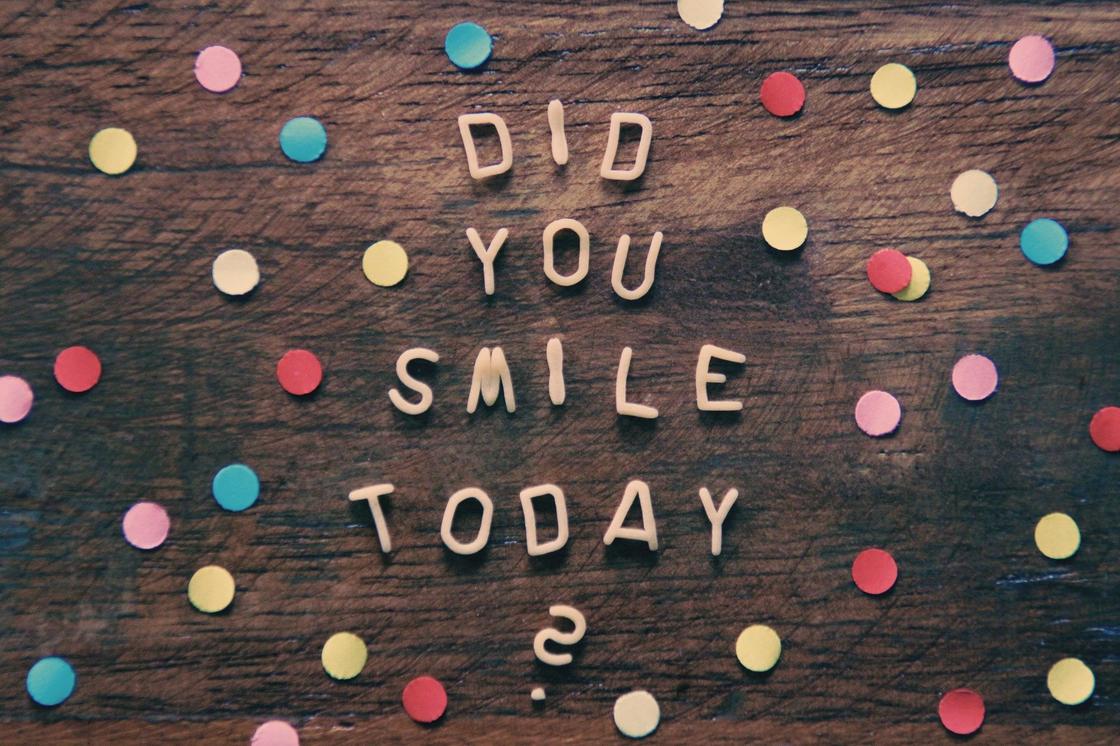
Над теми, кто не успевал за изменениями и упорно цеплялся за старую систему календаря, подшучивали. Шутники тайком приклеивали на спину бумажных рыбок. Жертв этой шутки называли «Poisson d’Avril» («апрельская рыба»). Этот термин по сей день используют во Франции для обозначения первоапрельских шутов. Так и родилась традиция подшучивать друг над другом 1 апреля и название April Fools’ Day.
Еще одна версия о происхождении праздничных традиций связана с Евангелие от Матфея. Согласно этой версии, Воскресение Христово произошло в день, который соответствует сегодняшнему первому апреля. В этот день римляне распространили неправдивую информацию о том, что тело Христа украдено его учениками. Так появилась традиция распространения ложной информации (розыгрыша) в день Воскресения.
Когда в России начали отмечать 1 апреля? Первое массовое празднование состоялось в 1703 году. Глашатаи сообщили о проведении праздничного концерта. Сотни зрителей изъявили желание увидеть представление, но на арене их ожидала не театральная труппа из Германии, а плакат с сообщением о том, что первого апреля никому не верят.
Что делают 1 апреля? В этот день принято:
- подшучивать над друзьями и коллегами;
- делать смешные подарки;
- носить забавные костюмы;
- петь шуточные песни;
- устраивать юмористические концерты.
День смеха можно считать международным праздником, поскольку его отмечают в Европе, Америке и в некоторых восточных странах. Как отметить 1 апреля? Чтобы весело отметить День смеха, нужно:
- написать смешное письмо;
- купить друзьям подарки с приколом;
- сходить на юмористический концерт;
- устроить вечеринку со смешными играми;
- опубликовать в соцсетях ложные новости.
Старайтесь избегать избитых шуток, придумайте что-то новое и оригинальное. Лучше всего подшучивать над теми, чьи интересы известны. Так будет проще придумать розыгрыш, который действительно удивит и доставит удовольствие.

Как отмечают 1 апреля в разных странах
Традиции празднования Дня смеха в разных странах несколько отличаются. Они соответствуют традициям и культурным ценностям каждого народа.
Германия
В Германии есть забавная традиция «посылать в апрель» тех, кого хочешь разыграть. Это означает придумать поручение, которое невозможно выполнить. Например, поручение купить голубиного молока или другие несуществующие вещи. После успешного розыгрыша в Германии принято говорить «April, April» («Апрель, апрель!»), как напоминание о том, какой сегодня день. Однако немцы достаточно деликатны по отношению друг к другу и стараются избегать грубых шуток, чтобы никого не обидеть.
Великобритания
В Великобритании первоапрельский розыгрыш иногда раскрывается криком «Первоапрельский шут!». Шутить можно с полуночи до полудня, после 12 дня шалости больше не приемлемы. Таким образом, человек, разыгрывающий после полудня, сам считается первоапрельским дураком. А тем, кого удалось разыграть, дают шутливые прозвища.
Шотландия
В Шотландии традиционный розыгрыш состоит в том, чтобы попросить кого-нибудь доставить запечатанное сообщение с важной просьбой. На самом деле в письме сказано: «Не смейтесь, не улыбайтесь. Отправьте глупца еще на одну милю». Прочитав это письмо, получатель должен сказать, что может помочь, только если сначала свяжется со своим знакомых и отправит письмо следующему человеку с тем же сообщением.
Ирландия
В Ирландии на День смеха существует подобная традиция. Ирландцы передают «важные сообщения» через посредников. Получатель читает письмо, затем просит кого-то передать сообщение кому-то другому и так далее. В письме написаны простые слова: «Отправьте дурака дальше».
Индия
В Индии в начале марта устраивают фестиваль Холи, который считается аналогом европейского Дня смеха. Подшучивать друг над другом в Индии не принято, но принято веселиться, а именно бросаться специальными разноцветными красками.

Скандинавские страны и Испания
В скандинавских странах к первому апреля принято публиковать ложные новости в СМИ. В газетах и журналах их печатают на первых страницах, а также передают по радио и телевидению. Важным условием стало то, чтобы новость не была обидной или страшной, ведь она должна рассмешить и поднять настроение. В Испании ложные новости также публикуют в СМИ, а на следующий день принято публиковать извинения за розыгрыш.
Редакторы портала History описывают самые забавные розыгрыши в истории праздника:
- В 1957 году BBC сообщила, что швейцарские фермеры собрали рекордный урожай спагетти, и показала кадры, на которых люди собирают лапшу с деревьев.
- В 1992 году Национальное общественное радио выпустило ролик с бывшим президентом Ричардом Никсоном, который заявил, что снова баллотируется на пост президента. Только это был актер, а не Никсон, и весь этот сюжет был первоапрельской шуткой, которая застала страну врасплох.
День смеха — отличный повод повеселиться и развлечься. Это праздник с многовековой историей, который сегодня остается актуальным в десятках стран. Чтобы удачно его отпраздновать, придумайте остроумные розыгрыши, которые создадут атмосферу веселья и подарят всем хорошее настроение.
Оригинал статьи: https://www.nur.kz/leisure/holidays/1847552-1-aprela—den-smeha-cto-izvestno-o-prazdnike/